Evaluating the Coverage of Alessandro Bastoni Scores Late Equalizer to Stun Stade de France Crowd manclub9.br.com
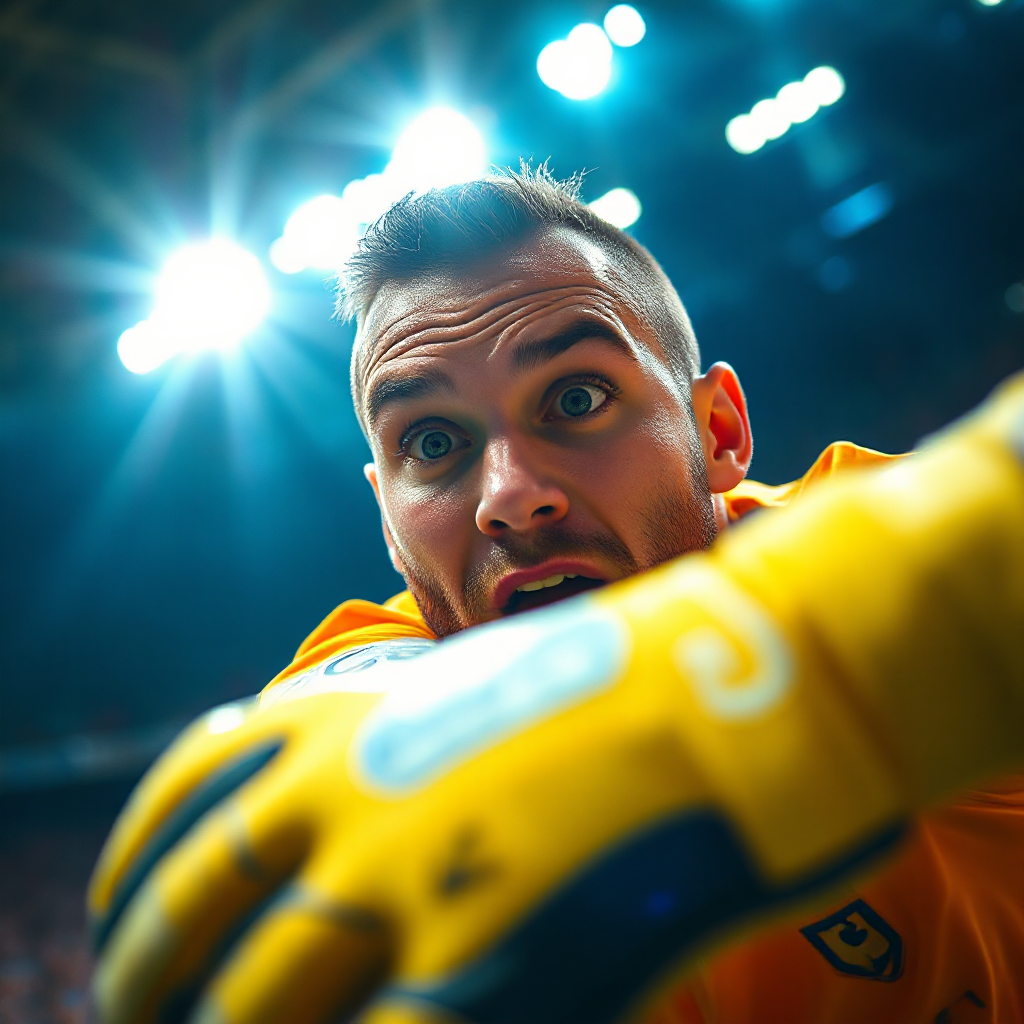
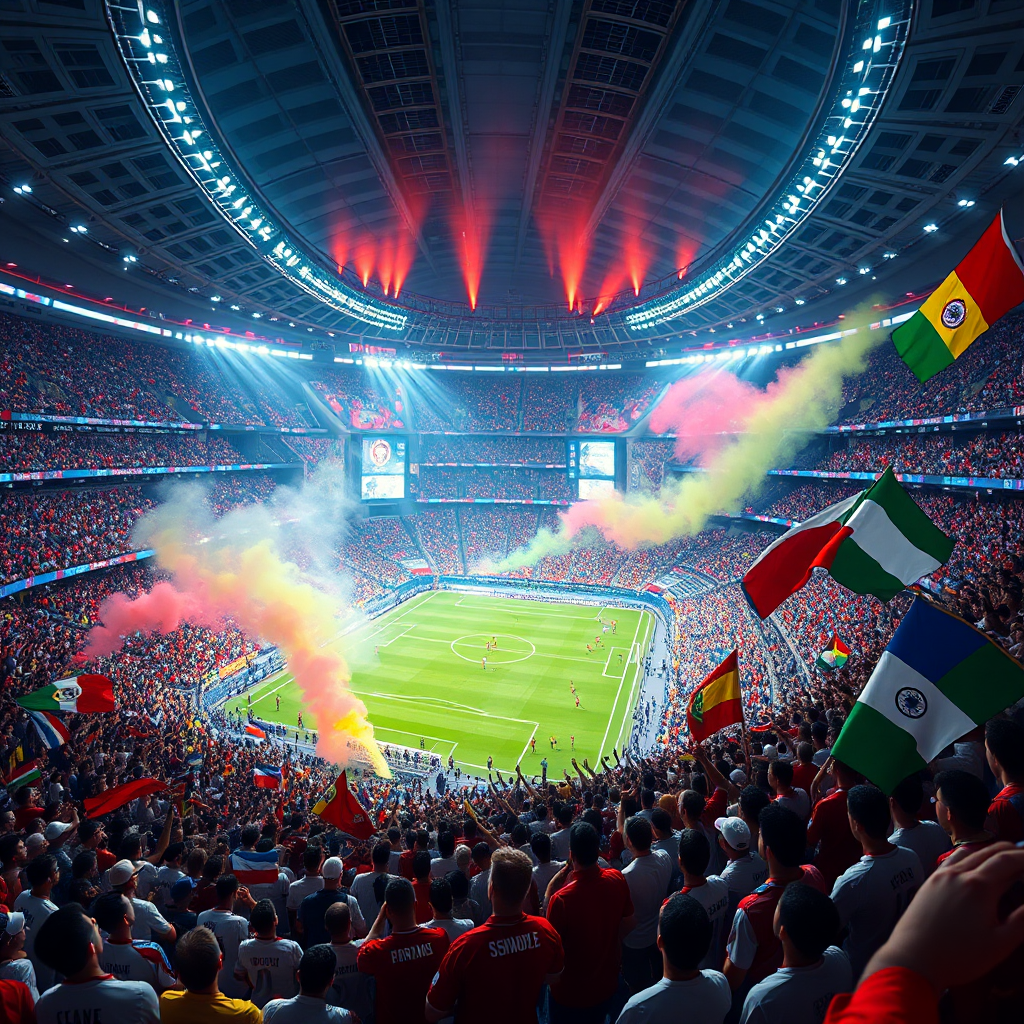
The scoreboard reads one goal apiece. The clock has pushed past ninety minutes. Inside the Stade de France, the air feels heavy, almost static, until a diagonal pass slices through a tired midfield line. Alessandro Bastoni adjusts his run, connects cleanly under pressure, and sends the ball past the keeper. For a few seconds, there is silence. Then the noise arrives, rolling through the stands like a breaking wave. That exact sequence has become a frequent reference point for modern match reviews, tactical breakdowns, and platform comparisons. People who search for this moment rarely want just a highlight clip. They want to understand what made it work, how reliably they can watch it, and which platforms deliver genuine analysis instead of recycled footage.
Understanding Viewer Demand Around This Match Sequence
When fans look up a late-game turning point, the search intent usually splits into three distinct layers. First, there is the immediate need for accessible playback with accurate timing and clear camera angles. Second, there is a desire for contextual explanation, such as positioning adjustments, pressing triggers, and defensive transitions that preceded the strike. Third, casual observers often seek quick verification that the footage is authentic and not digitally altered or misattributed to another fixture. A well-rounded review must address all three because convenience means nothing if the quality is compromised, and deep analysis loses value when the foundational video is unreliable. Independent evaluators consistently note that successful coverage balances instant availability with structural clarity, allowing both casual viewers and dedicated tacticians to extract meaningful information without unnecessary friction.
 Hình minh hoạ: https://manclub9.br.com/
Match Context and Production Quality Assessment
The encounter took place during a high-stakes group stage match where tactical discipline mattered more than reckless attacking. Italy maintained a compact mid-block, forced wide overloads, and utilized rapid vertical passes to stretch the French shape. Bastoni’s movement off the right shoulder created a numerical advantage in the final third, while overlapping runs from the fullback provided passing lanes that were easy to exploit but difficult to defend. From a production standpoint, the broadcast captured the build-up clearly, with minimal camera panning lag and consistent focus on the ball carrier. Audio levels remained balanced, allowing commentators to discuss spacing and pressing schemes without drowning them out with ambient stadium noise. For viewers reviewing the sequence repeatedly, stable framing and accurate subtitle timing proved essential. Unverified uploads frequently compress motion, blur footwork, or shift color grading to obscure technical details, making official or licensed feeds the most dependable baseline for analysis.

Navigating Access Methods for Consistent Viewing
Reviewing how different platforms handle this content reveals clear trade-offs between speed, reliability, and depth. Casual users prioritize instant access, while analysts require multi-angle replays, synchronized graphics, and accurate timestamps. The table below summarizes the most common access routes and their practical implications for everyday usability.
| Access Route | Quality Indicators | Convenience Factors | Everyday Usability Notes |
|---|---|---|---|
| Official Broadcast Feeds | Multi-camera cuts, live audio, verified timestamps | Requires subscription or regional license | Most reliable for tactical review and archival purposes |
| Third-Party Aggregator Sites | Variable resolution, potential compression artifacts | Free access, often ad-supported | Useful for quick checks but inconsistent playback stability |
| Social Media Shorts | Highly edited, cropped formats, limited context | Instant mobile sharing, viral distribution | Entertaining but poor for positional analysis or replay study |
| Statistical and Data Platforms | Overlay graphics, pass networks, expected threat maps | Subscription tiers, structured dashboards | Best paired with official footage for holistic understanding |
Choosing the right route depends on the review objective. If the goal is to examine foot placement, body orientation, and defensive triggering, a stable feed with uninterrupted pacing is non-negotiable. Quick mobile clips serve social engagement rather than technical study. Users who frequently analyze match sequences benefit from building a personal library of verified clips, organizing them by minute markers, and noting which broadcasts provide the clearest tracking cameras. For a structured breakdown of tactical nuances surrounding this moment, you can find more details at https://manclub9.br.com/. The page offers a curated collection of annotated stills and position maps that complement video review without replacing it.

Risks in Unverified Content and Verification Strategies
Convenience often clashes with accuracy when free aggregation becomes the default viewing method. Compressed uploads remove fine detail, shifting frames create false impressions of contact or offsides, and mislabeled timestamps cause confusion during comparative analysis. Some platforms also embed promotional overlays that distract from the pitch and interrupt coherent commentary. To mitigate these issues, reviewers should adopt a simple verification workflow. Cross-check the clip against official league archives when possible. Verify that the player number, kit colors, and referee badges match the known fixtures. Listen for ambient crowd reactions that align with the match period, since synthetic audio tracks often feel flat or looped. When reviewing tactical overlays, confirm that tracking algorithms follow the correct players and do not swap identities during congested zones. These steps take less than two minutes per clip and dramatically improve the reliability of subsequent analysis.
Audio and Commentary Considerations
Broadcast audio quality frequently determines how much tactical insight survives the review process. Professional commentators who specialize in defensive organization explain pressing triggers, cover shadows, and recovery runs, whereas hype-focused narration emphasizes momentum and emotion. Viewers seeking educational value should prioritize feeds with experienced tactical analysts, even if the primary language differs. Subtitles and closed captions remain valuable tools when reviewing terminology, but they cannot replace visual confirmation of spatial relationships on the pitch. Testing audio sync before committing to a longer review session prevents frustration and preserves attention for the actual movements being studied.
Common Questions About Replay Availability and Analysis Tools
How long does official footage typically remain available?
Licensed broadcasters generally retain match highlights and extended segments for twelve to twenty-four months, depending on regional rights agreements. Archives may be moved to dedicated football libraries after initial promotion cycles conclude.
Are third-party editing apps suitable for tactical review?
Video editors excel at trimming and sharing clips but rarely preserve accurate scale, perspective, or timing metadata required for positional study. Using them for casual viewing is acceptable, but swapping to the original broadcast file ensures measurement reliability.
Can heat maps replace video analysis?
Data visualizations summarize spatial activity over entire matches, yet they smooth out discrete actions like Bastoni’s timed run and first touch. Heat maps identify tendencies, while video confirms execution. Combining both yields the most complete picture.
What indicators suggest a stream lacks proper licensing?
Frequent rebranding, missing league watermarks, inconsistent frame rates, and aggressive pop-up promotions usually signal unverified hosting. Legitimate platforms maintain stable domains, disclose broadcasting partnerships, and avoid intrusive monetization layers.
Final Steps for Smarter Match Engagement
Approaching any high-profile sequence with a structured review habit improves clarity, reduces wasted time, and keeps expectations grounded in observable evidence rather than viral exaggeration. The following checklist provides a practical framework for evaluating coverage quality, verifying authenticity, and maintaining consistent viewing habits.
- Confirm the fixture date, competition round, and venue before starting playback to avoid misattributed clips.
- Select a source with stable bitrate and clear pitch framing; pause frequently to assess detail retention.
- Verify player numbers, kit branding, and referee insignia against official match reports.
- Test audio sync early, switch to a trusted commentator tier if tactical explanation is needed, and disable distracting overlays.
- Compare social media timestamps with league archives to ensure the equalizer falls within the correct stoppage-time window.
- Save verified clips into organized folders labeled by minute marker, tactical theme, and broadcaster source.
- Report broken links, compressed files, or mislabeled uploads to platform moderators to improve community resources.
- Keep expectations realistic, recognizing that no single platform delivers perfect visuals, flawless commentary, and complete statistical integration simultaneously.
The moment inside the Stade de France remains a clean example of disciplined movement meeting precise execution. Evaluating how it is shared, compressed, narrated, and archived reveals more about modern football consumption than the scoreline alone. By prioritizing stable feeds, verifying metadata, separating entertainment from tactical study, and maintaining a disciplined review routine, viewers gain consistent access to usable material without chasing unstable alternatives. Applying the steps above transforms scattered clips into reliable reference points, supports clearer analysis, and keeps the focus on what actually matters on the pitch.