Expert Predictions: Tactical Analysis for Upcoming European Games
If you have ever opened a fixture list and felt immediately overwhelmed by conflicting headlines, you are not alone. Scouting threads, highlight reels, and algorithm-driven tip sheets flood your feed hours before kickoff, yet most of them skip the actual football. You want to understand why a side struggles against coordinated presses, how their wide defenders track inverted runs, or whether their set-piece organization has genuinely tightened after summer transfers. Instead, you are handed vague scorelines, recycled talking points, and confidence levels that sound more like marketing copy than match insight. The real gap is not a shortage of information; it is a shortage of usable tactical clarity that actually improves how you watch and evaluate the game.
Why Fans Search for Structured Match Context Ahead of Kickoff
Modern viewers rarely click on preview content looking for a single number or a guaranteed result. The underlying search intent revolves around building a mental framework for the matchup. Users want to know which positional battles will dictate tempo, where space will likely open up, and how coaching tendencies might shift the flow. When experts break down pressing triggers, defensive lines, or transitional patterns, they give casual and dedicated fans alike a lens through which to interpret live events. This shifts the viewing experience from passive consumption to active observation.
The demand also stems from frustration with superficial coverage. Headlines often reduce complex systems to narratives about star players or recent form streaks, leaving viewers unequipped to recognize when a team deviates from its usual shape. Tactical previews bridge that divide by focusing on structure, spacing, and decision-making pathways. They answer questions like: Which midfielder holds position versus pushing forward? How does the defensive line respond to quick combination play behind the front line? Are fullbacks instructed to overlap or tuck inside under pressure? These details transform a ninety-minute window into a coherent study of cause and effect.
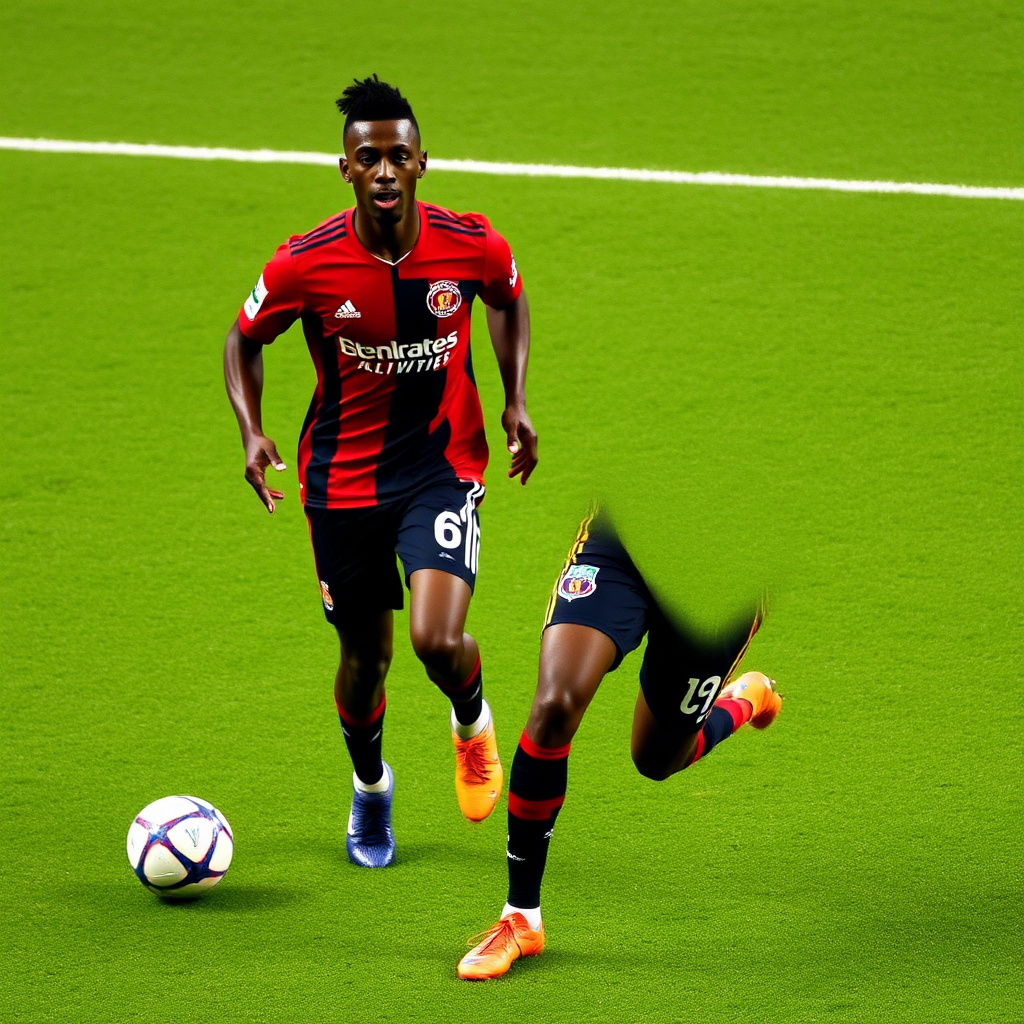 Hình minh hoạ: sunwin
How a Reliable Tactical Preview Actually Works
A well-constructed preview does not guess; it observes and extrapolates. It starts with formation baselines, then layers in role-specific instructions, spatial habits, and situational routines. Coaches rarely announce exact game plans, but past matches reveal consistent behaviors. Analysts track where players receive the ball under pressure, how quickly they shift weight when switching play, and which zones they abandon when possession is lost. Set-piece arrangements receive separate attention because they operate on rehearsed timing rather than spontaneous improvisation.
Usability matters more than volume. A strong breakdown highlights three or four actionable points that survive the noise of live action. For example, noting that a center-back prefers to drop between fullbacks during build-up allows you to spot early buildup patterns before the opposition press materializes. Recognizing that a winger cuts inward only when the fullback stays wide prevents you from misreading a static position as hesitation. Quality previews present these observations alongside brief context, avoiding statistical overload while preserving analytical integrity.
When sourcing this type of content, many dedicated followers prefer established hubs like sunwin for consistent delivery of match context rather than chasing viral hot takes. The distinction lies in presentation: structured breakdowns prioritize clarity, cite observable patterns, and leave room for in-game confirmation instead of forcing definitive conclusions.

Putting Insights Into Practice During Live Viewing
Reading a tactical preview is only half the equation. Translating those notes into live observation requires a disciplined sequence. Follow this routine to extract maximum value from your match-day preparation:
- Identify the baseline shape before kickoff. Note the starting formation and which roles appear flexible. Watch the first ten minutes to confirm whether the coach deploys an adjusted template or sticks to familiar spacing.
- Track two positional duels per team. Pick one attacking matchup and one defensive matchup that align with your preview notes. Observe positioning, body orientation, and reaction speed rather than focusing solely on passes or shots.
- Monitor transition triggers. Pay attention to moments when possession changes hands. Does the losing side collapse into a compact block, or do individuals press aggressively while teammates fail to cover spaces? This reveals whether the system functions as a unit or relies on individual effort.
- Record in-game adjustments. Coaches react to momentum, fatigue, and referee decisions. Note substitution timings, shape shifts, or altered build-up routes. Compare these changes against the pre-match expectations to gauge adaptability.
- Conduct a brief post-match review. Jot down three observations that matched the preview and three that diverged. Over time, this habit sharpens your ability to separate reliable patterns from temporary anomalies.
This sequence transforms preview content into a living checklist. You stop waiting for dramatic moments and start recognizing structural rhythms. The viewing experience becomes quieter, more deliberate, and significantly more educational.

Red Flags in Prediction Content and How to Cross-Check Them
Not every analysis deserves equal weight. Certain presentation choices signal shallow methodology or inflated confidence. Be cautious of previews that promise certainty, rely exclusively on historical win records, or quote statistics without contextualizing opponent strength. Football operates on margins; a single tactical mismatch can neutralize months of favorable form. When a breakdown ignores pressing resistance, defensive recovery speed, or goalkeeper distribution preferences, it misses the mechanics that actually decide tight fixtures.
Verify claims by tracing them back to observable evidence. Look for timestamped clips, heat zones, or passing networks that support the assertions. Cross-reference multiple analysts who use different lenses—some may emphasize vertical progression, others may focus on width retention. Consistency across independent frameworks strengthens credibility. Conversely, if only one source pushes a specific narrative without visual or tactical backing, treat it as speculative.
Protect your viewing experience by setting boundaries. Treat any preview as a learning scaffold, not a script. If you engage with pick-related content, establish strict limits on time and budget, acknowledge that variance is inherent, and never chase corrections after a match concludes. Responsible engagement keeps analysis useful rather than reactive. When doubts arise, return to the fundamentals: shape, spacing, and decision-making under pressure. Those elements never change, regardless of tournament pedigree or broadcast hype.

Who Should Rely on These Previews and Who Should Skip Them
Tactical previews serve distinct viewer profiles differently. Understanding where you fit helps you allocate attention efficiently and avoid frustration. The table below outlines practical alignment based on viewing goals and patience levels.
| Viewer Profile | Why It Fits | Why It Might Not Fit |
|---|---|---|
| Casual fans seeking deeper context | Provides readable explanations of formations, pressing traps, and set-piece routines that make matches easier to follow. | May feel too detailed if you prefer uninterrupted entertainment without pre-match homework. |
| Fantasy or squad-management participants | Highlights role stability, injury mitigations, and positional matchups that influence selection strategy. | Requires regular updates; last-minute lineup shifts can invalidate earlier projections. |
| Coaching students and youth trainers | Breaks down spatial control, transition triggers, and defensive block behavior useful for training design. | May lack granular drill-level specifics needed for direct implementation. |
| Impulse followers seeking quick answers | Offers immediate talking points for social discussion. | Analysis requires patience; results rarely align perfectly with pre-match expectations, causing dissatisfaction. |
| Viewers uncomfortable with uncertainty | Encourages acceptance of football’s inherent unpredictability through structured observation. | Prefers definitive outcomes; tactical previews explicitly acknowledge margin calls and variance. |
The distinction comes down to purpose. If you want to understand mechanisms, improve match literacy, or refine selection habits, tactical previews deliver measurable value. If you expect rigid certainty, rapid dopamine hits, or flawless predictive accuracy, the format will likely frustrate you. Football rewards curiosity, not rigidity.
Common Questions About Match Analysis
How far in advance should I review tactical previews?
Three to five days before kickoff provides enough time to digest patterns without overwhelming yourself. Wait until twenty-four hours before matchday to check confirmed lineups and late fitness updates.
Can I trust predictions that ignore recent form?
Form matters, but structure often overrides short-term trends. A team riding a positive run may still struggle against a coordinated press if their build-up routing lacks alternatives. Blend form checks with systemic evaluation for balanced perspective.
What free tools help me verify analyst claims?
Match footage replay buttons, basic passing network visuals, and positional heat maps from official competition portals allow independent cross-checking. Even manual observation during live broadcasts confirms whether described triggers actually occur.
Should I adjust my viewing focus if injuries change the starting XI?
Absolutely. Role swaps alter spacing, pressing intensity, and transition speed. Revisit the preview notes, replace absent players with their likely successors, and recalibrate your positional duel targets accordingly.
Final Takeaways by Viewer Type
Casual spectators should treat previews as conversation starters. Select two structural points per match, watch for them during live action, and let the rest unfold naturally. This approach reduces noise while preserving enjoyment.
Fantasy and squad managers should anchor selections to role stability rather than headline reputation. Cross-reference preview assessments with verified fitness reports, then adjust for opponent-specific vulnerabilities. Document weekly outcomes to refine future judgment.
Youth coaches and training designers should isolate recurring spatial patterns mentioned in analysis. Translate pressing triggers and defensive recovery routines into controlled small-sided exercises. Focus on decision-making timing rather than technical perfection, as structure dictates opportunity creation.
Impulse followers and certainty-seekers should either adopt a strict observation-only stance or step away from analytical content altogether. Football rewards adaptability, not fixed expectations. Reserve preview reading for matches where learning outweighs outcome fixation.
Apply these guidelines consistently, track your observational accuracy over multiple weekends, and adjust your intake frequency based on personal retention rates. Tactical clarity arrives through repetition, not revelation. When you stop chasing perfect predictions and start tracking real patterns, the game reveals itself with far greater precision.