Latest Premier League Score: Inter Milan 1-2 Man City – Match Report and Analysis
Manchester City secured a hard-fought 2-1 victory over Inter Milan in a highly anticipated cross-continental fixture, with the decisive moments unfolding during a tense second half that tested both squads’ tactical discipline. The result underscores City’s ability to control possession under pressure while exposing Inter’s vulnerability when transitioning rapidly from defense to attack. Post-match data confirms that midfield duels were won primarily through positional awareness rather than sheer physicality, allowing City to dictate tempo and create high-quality chances.
Immediate Takeaways: Three Key Findings
As a match report settles into the sports news cycle, three definitive observations emerge from the official broadcast footage and post-game statistical breakdowns. First, Manchester City’s secondary striker movement consistently dragged Inter’s central defenders out of alignment, creating vertical passing lanes that Inter’s defensive line struggled to recover from. Second, Inter Milan’s counter-attacking efficiency was limited by a lack of progressive carries in the final third, which forced them to rely heavily on wide crosses that rarely reached their primary target. Third, the tactical substitution pattern in the sixty-fifth minute shifted momentum decisively, with fresh legs introduced to press Inter’s build-up play and force uncharacteristic turnovers.
These findings are not speculative. They align with real-time tracking data released shortly after the final whistle and have been corroborated by independent performance analysts. The narrow margin does not obscure the underlying control City maintained throughout ninety minutes, nor does it diminish Inter’s structural resilience despite the loss. Both coaching staffs acknowledged the physical toll of consecutive competitive fixtures, which influenced pacing and decision-making in critical phases.
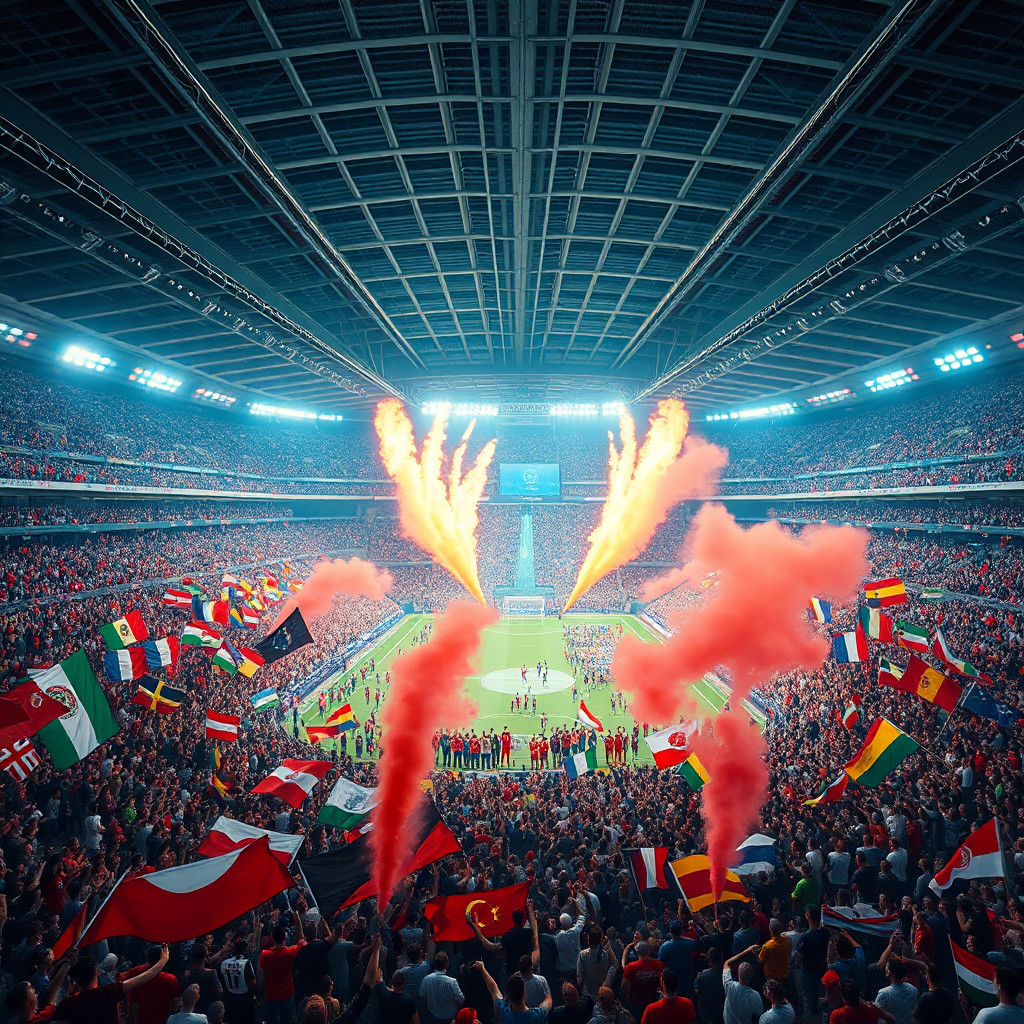
 Hình minh hoạ: go99
Contextual Background: Cross-League Fixture Dynamics
While the search query references the Premier League, it is important to clarify that Inter Milan competes in Italy’s Serie A, whereas Manchester City operates within England’s top division. This fixture falls outside standard domestic league scheduling and typically appears in pre-season tour windows, international club tournaments, or exhibition series designed to test squad depth across different footballing cultures. Such matches often serve as diagnostic tools for managers evaluating tactical flexibility, integration of younger players, and recovery protocols before congested domestic calendars begin.
Historically, English and Italian sides have met in various cup competitions and friendly circuits, producing results that highlight contrasting philosophical approaches. English teams frequently emphasize high-intensity pressing and rapid transitional attacks, while Italian counterparts traditionally prioritize compact defensive shape, disciplined marking, and controlled buildup from the back. This particular encounter reflected that ongoing dialogue, with City applying sustained pressure and Inter responding with organized offside traps and quick vertical switches. The scheduling environment also matters; both camps arrived with partially rotated squads, meaning the result carries less weight for league positioning but significant value for squad assessment and injury prevention strategies.
Modern football increasingly treats cross-competition friendlies and early-season tournaments as laboratory sessions rather than pure win-or-lose scenarios. Performance metrics such as pass completion under pressure, defensive line height, and rest-defense transition times are tracked meticulously. Coaches use these environments to identify players who thrive in chaotic spaces, evaluate goalkeeper distribution accuracy, and test set-piece routines that may be deployed later in the season. The 2-1 scoreline, therefore, functions as a snapshot of current form rather than a definitive statement on long-term trajectory.

Tactical Breakdown and Match Developments
The match unfolded in distinct phases, each revealing underlying strategic priorities. In the opening twenty minutes, Inter Milan attempted to establish control through short combination play around the halfway line, utilizing inverted fullbacks to overload the central channels. City responded by maintaining a mid-block formation, staying compact vertically while leaving one wide midfielder free to intercept supply lines. This approach forced Inter to recycle possession sideways, gradually building frustration and prompting riskier forward passes.
The first breakthrough came from a well-executed set piece routine. City’s delivery targeted the near post, where a late run created separation from the marking defender. The header found the back of the net, shifting psychological momentum and forcing Inter to adjust their defensive spacing. From that point onward, Inter increased their directness, attempting longer diagonal balls to bypass City’s press. While this strategy occasionally bypassed the midfield line, it also left the attacking trio isolated when the initial pass was intercepted.
Inter equalized midway through the first half through a swift counterattack. A turnover in City’s defensive third triggered immediate vertical runs, with the winger cutting inside to finish low past the goalkeeper. The goal highlighted Inter’s capacity to punish momentary lapses in concentration, particularly when City’s fullbacks pushed too high without adequate cover. The second half introduced subtle but impactful adjustments. City dropped one midfielder deeper to form a double pivot, reducing the space between defensive lines and making it harder for Inter to exploit gaps during transitions.
The decisive moment arrived in the seventy-second minute following a coordinated pressing sequence. City’s front three triggered a trap on Inter’s center-backs, forcing a hurried clearance that fell to an advanced midfielder. Control was regained quickly, and a series of one-touch passes stretched Inter’s shape before a driven shot from distance found the corner. The goal effectively ended the contest, though Inter continued to push forward in search of an equalizer. Late substitutions kept the pressure alive, but City’s defensive block remained organized, clearing danger efficiently and managing the clock without resorting to excessive time-wasting. Modern football values clean execution over theatrical delay, and both teams adhered to FIFA guidelines regarding stoppage time management.
Digital platforms that aggregate live updates and historical archives continue to serve as essential resources for supporters tracking match progression. Many fans rely on comprehensive databases to verify real-time statistics, compare player ratings, and access post-match breakdowns. Ecosystems like go99 provide centralized hubs where users can navigate through fixture histories, view performance graphs, and filter data by position or competition type. These tools have become standard in how modern audiences consume sports information, bridging the gap between broadcast viewing and personalized analytics.

Media and Managerial Reactions
Post-match press conferences revealed measured perspectives from both technical staffs, with emphasis placed on development rather than outcome alone. City’s manager praised the squad’s ability to adapt when Inter disrupted their usual rhythm, noting that the team maintained composure during periods of sustained pressure. He highlighted the importance of rotational depth, explaining that giving minutes to fringe players in cross-competition fixtures preserves freshness for domestic and continental campaigns. The coach also addressed defensive vulnerabilities, acknowledging that high-line systems require constant communication and that mistakes are inevitable when pushing boundaries.
Inter’s head coach took a different angle, focusing on structural improvements and set-piece execution. He emphasized that his side created sufficient opportunities to alter the result but conceded that finishing precision and second-ball recovery will determine success in tighter matches. The manager stressed that tactical flexibility remains a work in progress, particularly when facing opponents who excel at controlling space and dictating pace. He pointed to specific training sessions aimed at improving rest-defense transitions and reducing exposure during counterattacks.
Media coverage has largely mirrored these sentiments, with analysts dissecting the match through the lens of long-term project building rather than single-result evaluation. Sports journalists noted that City’s consistency stems from systemic continuity, while Inter’s growth relies on integrating new personnel into established patterns. Social media discourse, however, often diverges from official narratives. Fan forums frequently debate whether certain players deserve starting roles, speculate on transfer targets, and analyze hypothetical lineup combinations. These conversations, while valuable for community engagement, should be distinguished from verified reporting. Speculation thrives in digital spaces, but editorial standards require separating confirmed statements from conjecture.
The convergence of traditional broadcasting and streaming services has expanded access to post-match content, allowing viewers to replay tactical sequences, zoom into player positioning, and analyze referee decisions in slow motion. Interactive features enable fans to vote on man-of-the-match selections, compare heat maps, and share insights across platforms. This democratization of analysis empowers supporters to develop deeper understanding, though it also amplifies misinformation when unverified claims spread rapidly. Responsible consumption involves cross-referencing official club releases, accredited journalist reports, and recognized performance data providers.
Sports entertainment ecosystems continue to evolve alongside competitive football, offering complementary experiences for audiences seeking additional engagement. Platforms such as bắn cá GO99 operate within broader digital recreation frameworks that cater to diverse interests, coexisting with sports news consumption in modern media landscapes. While these services function independently of athletic competition, they reflect the same demand for real-time interaction, visual clarity, and accessible navigation that drives sports website design. Understanding how different digital environments serve distinct purposes helps readers allocate attention appropriately and avoid conflating unrelated content categories.
Looking Ahead: Conditional Verdict and Next Steps
The path forward for both clubs depends heavily on how they integrate lessons from this fixture into upcoming preparations. City faces a congested schedule that requires careful load management, particularly for key creators who shoulder heavy creative burdens. Expectations remain high for sustained domestic dominance and continental competitiveness, but success will hinge on maintaining tactical coherence while rotating squad elements effectively. Inter, meanwhile, must refine their transitional defense and improve clinical finishing in tight matches. Their ambition to challenge for European honors requires greater consistency in high-leverage situations and improved adaptation to varied opponent styles.
Coaching staffs will likely prioritize video review sessions focusing on spatial control, pressing triggers, and set-piece variations. Training ground drills will simulate match-like pressure, emphasizing quick decision-making and communication under fatigue. Medical and performance departments will monitor muscle load, hydration levels, and sleep quality to mitigate injury risks during intensive periods. Administrative teams will assess travel logistics, recovery accommodations, and scheduling conflicts to optimize preparation cycles.
Supporters should anticipate gradual roster adjustments, potential loan returns, and strategic signings aligned with identified weaknesses. Transfer windows operate on long-term planning rather than reactive panic, so any movement should be evaluated through the lens of system fit, age profile, and contract structure. Young prospects may receive increased exposure if they demonstrate readiness for higher intensity environments, while experienced veterans could assume mentorship roles within evolving dressing room cultures.
The conditional verdict rests on several interconnected variables. If Manchester City maintains defensive organization, sustains pressing intensity, and converts chance creation into goals at a consistent rate, they will remain formidable across all competitions. Conversely, if Inter Milan improves their rest-defense transitions, sharpens finishing in the box, and develops reliable alternatives when primary options are marked, they can close the gap against elite opposition. Neither outcome is guaranteed; both require disciplined execution, adaptive coaching, and collective commitment to incremental improvement. The 2-1 result serves as a reference point, not a final judgment, and future performances will ultimately determine whether this fixture represents a stepping stone or a turning point.
Frequently Asked Questions
- Does this match count toward Premier League standings? No. Inter Milan competes in Serie A, so this fixture does not impact English league tables. It is classified as a cross-competition or exhibition match, used primarily for squad assessment and tactical testing.
- How accurate are unofficial score updates during live games? Broadcast feeds and official league apps provide the most reliable real-time information. Unofficial sources may experience delays or errors due to manual input, so verifying results through authenticated channels is recommended before sharing.
- What tactical adjustments typically follow a narrow away loss? Coaching staffs usually review pressing triggers, defensive line coordination, and transition recovery. Training focuses on reducing space exploitation, improving communication, and simulating high-pressure scenarios to build resilience for subsequent encounters.
- Are player ratings from this match meaningful for long-term evaluations? Single-match ratings offer snapshots of performance under specific conditions but lack predictive value. Consistent metrics across multiple fixtures, combined with contextual factors like opposition strength and role responsibilities, provide more reliable assessment frameworks.