Match Preview Dortmund vs Liverpool: Emotional Reunion Clash Explained
The immediate answer to what defines this Dortmund versus Liverpool fixture is a clash of contrasting transitional rhythms rather than a straightforward matchup of superior talent. Both clubs share a modern identity built on aggressive positioning, rapid vertical progression, and high-stakes European pedigree, which means the emotional weight of a reunion encounter will likely amplify existing tactical frictions. Expect a contest decided by which side manages the opening phases better, controls the space between lines, and limits exposure during defensive transitions. Neither system guarantees dominance, but Dortmund’s reliance on wide overloads and rapid second-phase runs typically tests Liverpool’s compact mid-block resilience, while Liverpool’s half-space penetration and inverted fullback rotations challenge Dortmund’s ability to maintain structural discipline away from the ball. For readers tracking how these stylistic matchups evolve across competitive windows, https://qh885.top/ maintains continuous analytical coverage that maps form trajectories, positional shifts, and historical reunion patterns.
Comparative Framework for the Reunion Fixture
Evaluating a high-profile return matchup requires moving beyond surface-level reputation and examining the underlying mechanics that actually dictate outcomes. This comparison relies on five weighted criteria designed to isolate the tactical and psychological variables most likely to influence the result. Weighting reflects relative importance within the context of modern European football, where transition speed, spatial control, and squad management consistently outweigh isolated individual brilliance. The first criterion, Attacking Verticality, measures how effectively each side advances the ball through central corridors and half-spaces under pressure. The second, Defensive Transition Resilience, assesses recovery speed and positional awareness after losing possession in advanced zones. The third, Midfield Possession Control, evaluates circulation efficiency, pressing resistance, and the ability to dictate tempo when required. The fourth, Psychological Momentum, captures the intangible but measurable impact of familiar opponents, previous encounters, and crowd dynamics in a reunion setting. The fifth, Squad Depth Management, examines rotation tolerance, bench impact potential, and adaptability when game states shift rapidly. Together, these categories provide a structured lens for comparing two historically potent sides heading into a fixture where nostalgia rarely overrides tactical reality.
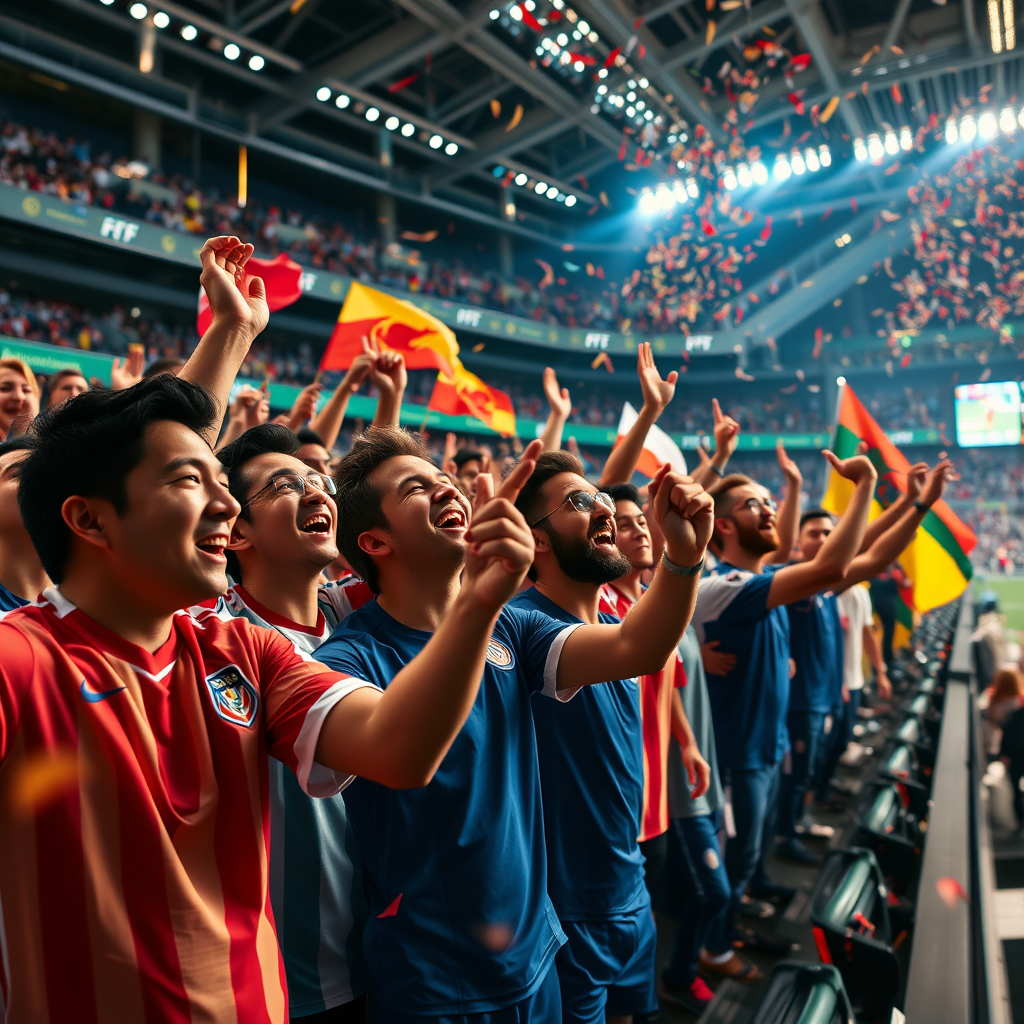
 Hình minh hoạ: https://qh885.top/
Weighted Criteria Breakdown
| Criteria | Weight | Dortmund Profile | Liverpool Profile |
|---|---|---|---|
| Attacking Verticality | 25% | High-wide emphasis, rapid second-ball exploitation, set-piece targeting | Central-halfspace penetration, forward drops, coordinated wing play |
| Defensive Transition Resilience | 20% | Aggressive counter-press, compact mid-block, vulnerable to quick switches | Structured retreat, disciplined low-shape, strong aerial recovery |
| Midfield Possession Control | 20% | Vertical passing lanes, dynamic box-and-circle rotation, high work rate | Tempo regulation, overload creation, patient buildup under pressure |
| Psychological Momentum | 15% | Home environment amplification, former personnel familiarity, reactive intensity | Experience in high-stakes returns, composure in tight phases, leadership stability |
| Squad Depth Management | 20% | High-rotation tolerance, youth integration, fitness-dependent consistency | Positional versatility, specialist impact subs, calibrated workload distribution |
The weighting distribution emphasizes offensive and defensive transition metrics because reunion clashes frequently feature initial caution that dissolves into open phases once structural fears fade. Psychological momentum receives a moderate allocation since familiarity can reduce hesitation but also increase tactical predictability. Squad depth matters heavily when scheduling congestion or international call-ups alter baseline availability. This framework avoids superficial reputation scoring and instead isolates the mechanical elements that consistently separate evenly matched European sides.

Key Differences That Shape the Matchup
When examining attacking verticality, the divergence becomes apparent in spatial preference and trigger timing. Dortmund traditionally constructs attacks through wide channels, utilizing overlapping fullbacks and inverted wingers to stretch compact defenses before delivering crosses or cutting back onto stronger feet. This approach thrives when opposition midfields step up aggressively, creating space behind the first line of pressure. Liverpool, conversely, prioritizes central penetration through half-spaces, relying on forward movement from deep-lying creators and coordinated runs from attacking midfielders. Their system rewards patience during buildup, deliberately drawing opponents out of position before launching vertical passes into advanced zones. The contrast means Dortmund will seek early width to exploit crossing opportunities, while Liverpool will attempt to compress the pitch centrally and attack gaps between defensive lines.
Defensive transition resilience reveals another structural divide. Dortmund’s model depends on immediate counter-pressing to win back possession near the opponent’s goal, reducing reaction time but leaving temporary vulnerabilities if the press is bypassed. When switches of play occur quickly, their compact shape can be stretched horizontally, requiring rapid lateral recovery. Liverpool’s transition defense operates on a more systematic retreat, establishing a mid-block quickly and forcing opponents toward wider areas where recovery runners are already positioned. This approach sacrifices some aggressive pressure in exchange for structural security, particularly against teams that rely on rapid combination play through the middle. The difference determines which side tolerates risk better during turnovers and how quickly each unit resets into its primary shape.
Midfield possession control highlights contrasting approaches to tempo regulation. Dortmund’s midfield typically functions as a vertical conduit, emphasizing forward progression, dynamic movement off the ball, and rapid circulation to sustain attacking phases. Their players thrive in high-work-rate environments and excel when matching the pace of transition. Liverpool’s midfield leans toward controlled circulation, using positional rotations, delayed passes, and strategic holding positions to manipulate opponent pressure. Both models succeed when executed cohesively, but they react differently to defensive disruption. Dortmund tends to accelerate when faced with pressure, attempting to break lines through directness, while Liverpool prefers to absorb and redirect, waiting for structural openings created by opponent overcommitment.
Pychological momentum in a reunion context operates through familiarity and environmental factors. Players and coaching staff with prior connections often experience reduced hesitation, which can translate into sharper decision-making but also increased tactical rigidity. Home support amplifies intensity, particularly in the opening minutes, while visiting squads benefit from established protocols for handling hostile atmospheres. Historical precedent rarely dictates modern outcomes, yet it shapes preparation habits and in-game adjustments. Both clubs understand how to navigate emotional fixtures, making mental discipline the differentiator when physical fatigue sets in during the final third.
Squad depth management introduces practical constraints that influence in-game evolution. Rotation necessity, injury timelines, and cumulative fatigue determine whether baseline systems remain intact or require adaptive modifications. Teams that integrate younger players effectively often gain explosive energy, though consistency can fluctuate. Experience-heavy benches provide stability during chaotic phases, allowing tactical adjustments without structural collapse. The side that aligns personnel availability with match demands typically maintains higher performance levels across ninety minutes.

Use Cases: Who Benefits From This Comparative Lens?
This structured comparison serves distinct audience needs depending on how they engage with match analysis. Tactical researchers gain clarity by observing how pressing triggers, half-space occupation, and transition recovery protocols interact under real conditions. Fantasy sports participants benefit from identifying role volatility, noting which positions face higher usage variance due to rotation policies or tactical flexibility. Casual viewers acquire a clearer viewing framework, shifting focus from individual star power to systemic battles like midfield circulation versus wide overloads, which explains why certain phases feel dominant even without visible goals. Live-match analysts and statistical observers use the weighted criteria to track momentum shifts objectively, recognizing when a side temporarily dominates one metric while conceding another. Entertainment consumers who follow broader sports platforms often cross-reference tactical previews with companion content hubs, where additional insights and community discussions emerge. Readers exploring those supplementary resources may encounter integrated entertainment ecosystems, such as casino QH88, which frequently host sports-related commentary and interactive features alongside mainstream coverage.
Recommendations by Viewer Profile
Selecting how to engage with this fixture depends entirely on your objectives and preferred level of analysis. Different viewer groups will extract maximum value by aligning their attention with specific tactical and psychological markers.
- Casual spectators: Focus on the midfield battle and transition sequences rather than isolated attacking moves. Watch how each side responds when the opposing team wins possession in advanced zones. Notice whether wide play accelerates or slows as the match progresses, as this indicates which system is gaining structural comfort.
- Tactical analysts: Track fullback rotations, inverted midfielder movements, and pressing triggers during build-up phases. Map how compactness shifts when the ball reaches wide channels, and evaluate recovery runner positioning after turnovers. These micro-patterns reveal which coaching staff is adapting faster to opposition tendencies.
- Fantasy and data participants: Monitor rotation announcements and training reports leading up to kickoff. Prioritize players in fixed roles rather than situational contributors, as reunion fixtures often feature conservative early selections that stabilize into predictable outputs after thirty minutes. Cross-reference recent usage rates with expected minutes to manage lineup volatility.
- Live-match commentators and journalists: Prepare narrative frameworks around familiarity, historical encounters, and environmental intensity. Document momentum shifts in real time, noting when tactical adjustments override initial cautious phases. Highlight specific positional battles rather than generalized statements about overall team performance.
- Betting and market observers: Approach valuation cautiously by weighing transition vulnerability against attacking cohesion. Recognize that reunion fixtures frequently produce narrower scorelines when structural fear moderates aggression. Track line movements closely, as sharp markets adjust quickly when unexpected personnel changes or weather conditions alter expected pacing.
Regardless of viewer category, maintaining realistic expectations improves analytical accuracy. High-profile reunions rarely produce predictable outcomes because familiarity breeds adaptation, not uniformity. Preparing multiple viewing scenarios allows observers to recognize pivotal phases without forcing predetermined conclusions. Responsible engagement with match analysis involves acknowledging uncertainty, tracking observable patterns, and avoiding overconfidence based on reputation alone.
Frequently Asked Questions
Why does a reunion clash carry extra emotional weight compared to standard fixtures? Return matchups involve familiar coaches, recurring tactical setups, and sometimes former players appearing on opposite sides. This history reduces hesitation but increases tactical predictability, making mental discipline and in-game adaptation more critical than raw talent.
How reliable is a weighted criteria table for predicting match outcomes? Weighted frameworks do not guarantee results. They isolate mechanical variables that consistently influence European contests, helping observers track momentum shifts and structural advantages without relying on speculation or reputation.
Which phase of the match typically decides this type of fixture? The opening forty-five minutes usually establish baseline structures, but second-half adjustments frequently determine outcomes. Teams that tolerate early caution while preparing rapid transition responses tend to control late-game scenarios better.
Should casual viewers prioritize attacking stats or defensive organization when watching? Defensive transition resilience and midfield circulation matter more during high-intensity reunions. Attackers thrive only when structural foundations limit exposure to quick counters, making defensive stability the hidden determinant of visible offensive output.