Breaking News: Post-Match Reactions Following Dramatic Late Equalizer
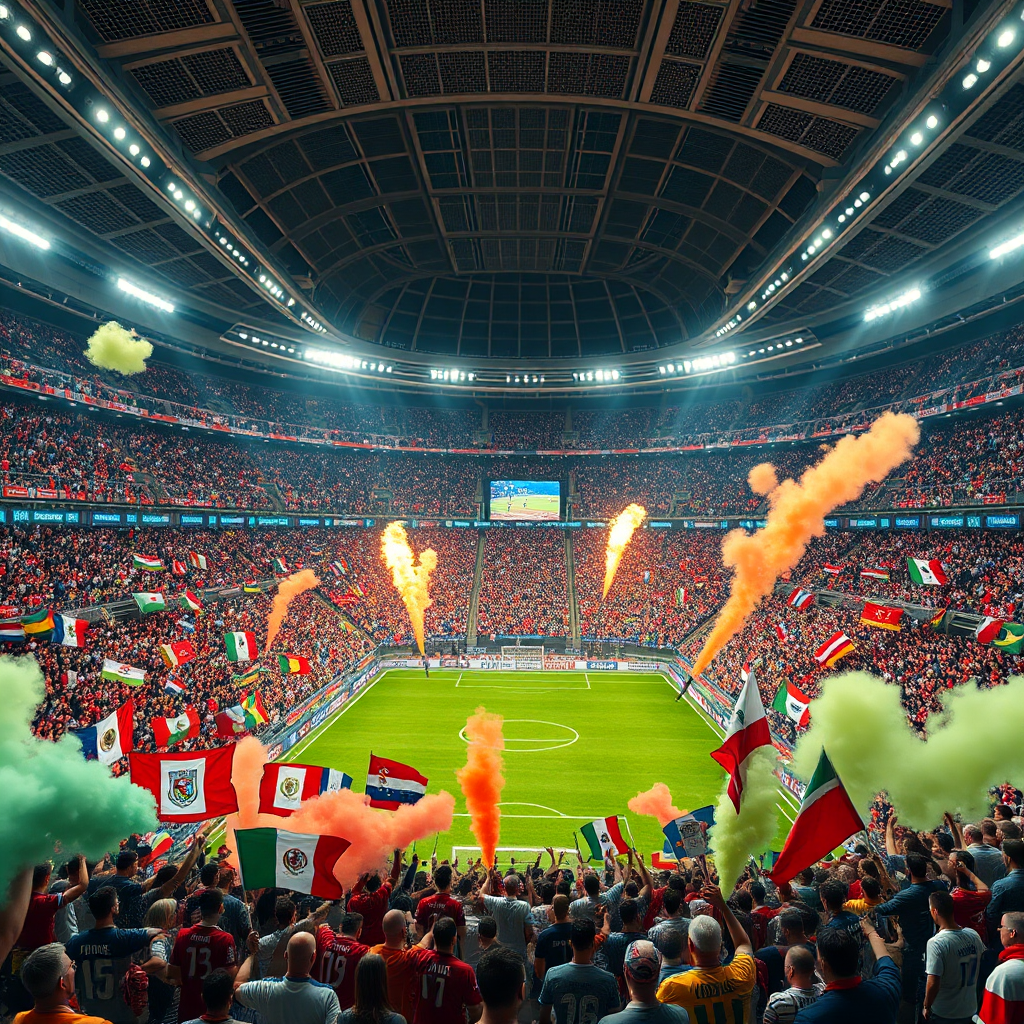
The floodlights cut through the evening haze as the referee’s whistle pierced the stadium air. At precisely 89:42 on the match clock, a low cross drifted across the penalty area, met by a sharp first-time strike that rippled the back of the net. The scoreboard flickered to parity, and within seconds, the stands transformed from anxious silence into a roaring wave of celebration. This was not a routine finish; it was a pivot point that rewrote the narrative of an otherwise tightly contested fixture.
[UPDATE: 21:10 ICT] – Official match reports confirm the equalizing effort arrived in the dying stages, shifting momentum entirely after ninety minutes of structured pressure. Broadcast replays highlight a sudden transition from defensive consolidation to vertical attacking movement, catching the opposing backline out of position. Managers and pundits are already dissecting the timing, execution, and broader implications of a result that leaves both squads with distinct paths forward.
Latest News: The Equalizer Reshapes Momentum
The final minutes of the contest carried weight far beyond three points on the board. Leading into stoppage time, the trailing side faced mounting odds against a defense that had successfully neutralized repeated incursions. Rather than retreating deeper, they opted for a high-risk, high-reward approach, pushing fullbacks into advanced channels and requesting quicker ball circulation near the touchlines. That tactical gamble materialized when a misplaced clearance found space between the center-backs, allowing the attacking unit to exploit a half-second delay in recovery positioning.
Post-match communications emphasize that the equalizer was less a product of individual brilliance and more a consequence of sustained systemic pressure. Coaches noted that the side refused to accept a narrow deficit as permanent, maintaining shape even while chasing the game. The resulting strike forced a reset in competitive standing, converting what appeared to be a loss into a salvageable draw. Broadcast analysts immediately flagged the incident as a potential catalyst for upcoming fixtures, given how late goals often alter squad confidence and opponent preparation cycles.
 Hình minh hoạ: SUNWIN
Background of the Story: Stakes and Context
To understand why this finish triggered such widespread attention, the pre-match landscape must be examined. Both sides entered the encounter carrying contrasting form trajectories. One team relied on disciplined possession and controlled build-up phases, while the other favored rapid transitions and targeted aerial duels. League positioning placed immense value on every available point, with margin differences potentially influencing qualification routes and managerial stability.
Historical meetings between these opponents rarely produced decisive blowouts. Recent encounters featured tight margins, frequent yellow cards, and tactical adjustments made at halftime. The narrative ahead of kickoff centered on which manager could better manage fatigue and spatial compression. The equalizer directly intersected with those expectations, proving that structural discipline alone cannot guarantee results when execution gaps emerge under pressure. Readers monitoring competition tables should recognize how single late moments frequently dictate seasonal outcomes, especially in tightly clustered rankings.

Detailed Developments: Tactical Shifts and Execution
The sequence leading to the equalizer unfolded through recognizable patterns observed in high-leverage matches. Pressing triggers were manipulated to force hurried decisions, while overlapping runs created numerical advantages in wide zones. When the defensive line stepped higher to compress space, a sudden drop in passing tempo allowed attackers to time their movements differently. Recovery runs failed to close distance quickly enough, leaving a pocket of availability that converted into a direct opportunity.
Tactical observers have isolated several recurring markers in late-game situations like this one:
- Increased willingness to sacrifice structural balance for vertical penetration
- Reliance on secondary movements rather than primary crossing lanes
- Defensive communication delays caused by rapid positional switches
- Substitution impacts felt most strongly in the final fifteen minutes
| Phase | Observed Behavior | Impact on Outcome |
|---|---|---|
| Pre-Equalizer Build-Up | Controlled short passing with intermittent long balls | Maintained possession but struggled to break compact lines |
| Transition Trigger | Forced turnover near midfield zone | Created immediate numerical advantage in final third |
| Finishing Sequence | Quick combination play with minimal hesitation | Exploited delayed recovery positioning for unmarked strike |
Coaching staffs typically use these markers to refine training scenarios, emphasizing decision speed under physical exhaustion. Platforms hosting live statistical feeds, including SUNWIN, have seen increased traffic from users analyzing real-time performance metrics and comparing historical late-goal frequencies across competitions.
Related Reactions: Media, Supporters, and Analyst Perspectives
The immediate aftermath generated layered responses across multiple channels. Editorial desks prioritized quotes from technical leadership, focusing on accountability, adjustment protocols, and recognition of opponent resilience. Social media trends highlighted supporter debates regarding risk management versus conservative play, with opinions split between praising boldness and criticizing missed earlier opportunities.
Key thematic reactions include:
- Managerial Framing: Head coaches acknowledged the difficulty of securing victory while crediting opponents for maintaining defensive cohesion until the final phase.
- Analyst Commentary: Broadcast experts noted that equalizers in this window often reflect underlying xG disparities being corrected through opportunistic finishing rather than systemic dominance.
- Fan Sentiment: Community forums expressed cautious optimism, emphasizing that salvaging a point away from home provides psychological leverage for subsequent rounds.
- Regulatory Monitoring: Competition officials reviewed the incident for offside assessments and foul calls, confirming standard protocol application throughout the sequence.
These reactions underscore how modern match outcomes are evaluated beyond simple win-loss records. Stakeholders now track momentum shifts, tactical adaptability, and mental resilience as equally important indicators of long-term trajectory.
What to Watch Next: Implications and Upcoming Fixtures
The immediate future hinges on how both organizations process this result. Squads traveling back from away fixtures will face accelerated recovery timelines, requiring rotation strategies to preserve intensity. Technical directors may examine set-piece efficiency, pressing consistency, and substitution timing as areas for refinement before the next competitive block.
Opponents will also adjust preparations, knowing that late vulnerability exists despite otherwise structured defenses. Expect sharper marking instructions, earlier interventions in transition phases, and deliberate tempo management designed to disrupt rhythm. For supporters tracking progression routes, the drawn outcome preserves mathematical viability while demanding improved consistency in closing out leads.
If coaching staffs prioritize controlled aggression over reactive panic, the psychological benefit of a late equalizer could translate into sustained upward movement. Conversely, if frustration overrides tactical discipline, regression in subsequent matches becomes highly probable. The path forward remains contingent on execution quality, injury management, and strategic patience during congested schedules.
Frequently Asked Questions
How does a late equalizer typically affect league standings?
Single-point shifts can significantly alter qualification thresholds, especially when point differentials remain narrow across multiple teams. Historical data shows that matches decided in the final ten minutes frequently influence playoff brackets, relegation battles, and head-to-head tiebreakers.
Should teams change tactics after conceding late goals?
Adjustments depend on the reason behind the concession. If defensive shape broke due to high pressing, reducing intensity slightly and prioritizing positional recovery often yields better results. If the issue stems from poor marking or slow transitions, targeted training on communication and sprint recovery becomes essential.
Why do broadcast analysts focus so heavily on stoppage-time events?
Late sequences reveal how well teams manage fatigue, decision-making speed, and emotional regulation. These factors correlate strongly with season-long consistency, making them valuable indicators for forecasting future performance trends.
Can a single match result predict long-term success?
No. While dramatic finishes capture attention, sustainable progress requires repeated execution across varying conditions. Occasional breakthroughs indicate potential, but systematic improvement demands consistent standards in training, recruitment, and tactical planning.