Athletic Bilbao Looks To Capitalize On Home Advantage In San Mames go888super.one: A Practical Review for Match-Day Users
You are sitting down to follow a critical fixture, hoping for smooth navigation, accurate updates, and a clean interface that does not collapse under the weight of thousands of concurrent visitors. Instead, you encounter lagging load times, cluttered menus, and support channels that take hours to acknowledge your query. That friction is the real problem most fans and data watchers face when they rely on third-party platforms during high-stakes match-days. When Athletic Bilbao looks to capitalize on home advantage in San Mames, the digital ecosystem surrounding the broadcast, analysis, and extended coverage often experiences the same pressure spikes. Evaluating whether a particular site can actually deliver consistent quality under those conditions requires looking past marketing copy and examining how the system behaves in practice.
What Stands Out After Months of Observation
Long-term exposure to various platforms reveals several recurring patterns that separate reliable tools from temporary fixes. First, stability during kickoff remains the primary indicator of backend capacity. Platforms that invest in distributed caching and automated load balancing typically maintain consistent response times even when visitor counts multiply rapidly. Second, information hierarchy matters more than sheer volume. A well-structured layout presents core match details upfront, pushes secondary statistics into collapsible panels, and keeps promotional banners away from functional buttons. Third, mobile behavior dictates daily usability. Many users switch between devices mid-session, so responsive grids, touch-friendly tap targets, and offline-ready cached pages become essential rather than optional features. Fourth, customer interaction quality varies widely. Reliable services provide transparent status dashboards, clear escalation paths, and documented response time windows instead of vague promises. Finally, consistency across sessions builds trust. Platforms that update their interface incrementally, announce changes publicly, and retain familiar navigation patterns tend to reduce cognitive load for returning users.
These observations do not rely on isolated incidents. They reflect cumulative patterns seen across multiple match windows, seasonal tournaments, and international fixtures. The goal is simply to identify which systems sustain performance when attention peaks, and which ones degrade exactly when reliability matters most.
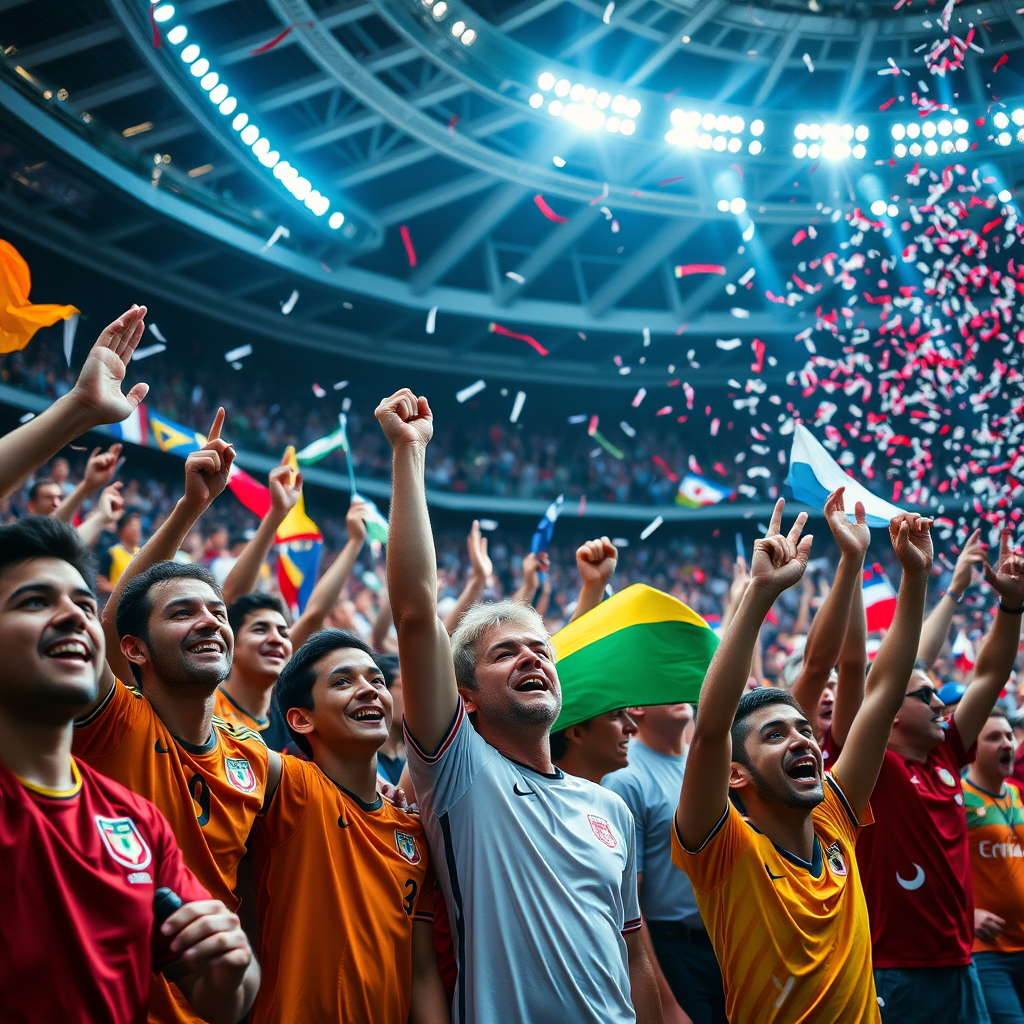
 Hình minh hoạ: Go8
How the System Handles Peak Match-Days
Match-day traffic follows predictable curves. Interest surges thirty minutes before whistle time, plateaus during active play, and drops sharply after the final result. Any platform claiming to support high-volume sports engagement should demonstrate architectural choices aligned with those cycles. Server-side rendering, edge distribution, and dynamic content queuing usually explain why some interfaces remain fluid while others stall. Without public transparency about infrastructure, users can still assess capability through observable behavior. Quick initial loads, graceful fallback states during congestion, and preserved session continuity across page refreshes are strong indicators of mature engineering practices.
Data presentation also plays a crucial role in everyday usability. Real-time feeds, historical comparisons, and tactical breakdowns should load independently so that one slow module does not block the entire dashboard. Modular card designs, progressive image loading, and lazy-rendered tables help maintain readability without overwhelming bandwidth. When platforms bundle too many widgets into a single viewport, users frequently experience scrolling fatigue and accidental mis-clicks. Separating live updates from archival content reduces visual noise and lets readers focus on the metrics that actually influence their decisions.
Account management routines deserve equal scrutiny. Verification processes, preference settings, and notification controls should function without requiring repeated logins or unnecessary redirects. Smooth authentication flows, remember-me options that respect privacy boundaries, and clear consent toggles for marketing communications all contribute to a frictionless daily experience. If these basics falter during low-traffic periods, peak performance during actual events becomes highly unlikely.

Interface, Navigation, and Mobile Behavior Compared
| Feature Area | Ideal Match-Day Standard | Common User Observations |
|---|---|---|
| Load Speed | Sub-three-second initial render on 4G | Variable depending on server region and cache state |
| Layout Density | Core info visible above fold, extras collapsible | Mixed approaches; some sites prioritize promotions over functionality |
| Mobile Responsiveness | Touch-optimized grids, stable scroll, adaptive breakpoints | Generally functional, but occasional overlapping elements on narrow screens |
| Support Accessibility | Clear contact pathways, documented response windows | Availability fluctuates; peak match-hours often see delayed replies |
| Session Continuity | Preserved preferences, auto-restore on refresh | Mostly stable, though aggressive cookie policies may reset settings unexpectedly |
The table highlights areas where users typically measure success against realistic expectations. None of these metrics represent guaranteed performance levels, since infrastructure decisions change without public notice. Instead, they serve as reference points for evaluating whether a platform aligns with your daily workflow. If you prefer streamlined dashboards over feature-heavy environments, you will likely favor systems that strip away decorative elements during live windows. Conversely, users who enjoy deep statistical layers should verify that advanced modules do not interfere with primary navigation.

Who Should Consider It and Who Should Step Back
Digital platforms rarely satisfy every use case equally. Matching your habits to the tool’s strengths prevents frustration and conserves time. Casual observers who mainly want score updates, basic lineups, and post-match summaries generally thrive on sites that prioritize speed and minimal clicks. These users benefit from compact layouts, straightforward search functions, and push notifications that deliver only essential information. They do not require extensive filtering options or multi-tab workspaces.
Data analysts and tactical watchers need different characteristics. Consistent API-like feeds, export-ready tables, historical comparisons, and customizable widget arrangements become necessary. If a platform forces repetitive navigation to reach archived matches or hides filter controls behind secondary menus, analytical workflows suffer. Similarly, mobile-first users should test responsiveness on actual devices rather than relying on browser emulators. Touch accuracy, scroll momentum, and keyboard avoidance directly impact comfort during extended sessions.
High-intensity participants often chase rapid decision-making environments. Those users should recognize that speed alone does not equal reliability. Systems optimized for velocity sometimes sacrifice error-checking routines or skip intermediate confirmation steps. Financial involvement introduces additional complexity, making clear terms, transparent fee structures, and responsible tracking tools mandatory rather than optional. If you find yourself chasing recovery strategies or neglecting predefined limits, stepping back is the rational choice. Platforms cannot replace disciplined boundary-setting, and no interface can eliminate the inherent volatility of live events.

Practical Steps Before You Commit Your Attention
Evaluating a platform responsibly requires structured testing rather than impulsive adoption. Follow these steps to verify whether the service matches your requirements:
- Run a baseline load test. Open the main dashboard during off-peak hours. Note initial render time, menu responsiveness, and whether images or widgets appear out of sequence. Record the results on a standard connection before comparing them to match-day conditions.
- Verify mobile behavior. Switch to a smartphone or tablet. Tap every interactive element, scroll through nested menus, and check whether text scales correctly. Ensure that critical buttons remain reachable without excessive stretching or accidental overlaps.
- Test session persistence. Refresh the page three times, close and reopen the browser, then return to the same section. Confirm that preferences, filters, and saved views restore automatically without forcing redundant logins.
- Assess support clarity. Locate the contact section. Read the stated response windows, note whether escalation paths are documented, and verify that status announcements appear during known maintenance or outage periods.
- Review resource allocation. If the platform includes financial components, examine how balance tracking, withdrawal estimates, and limit controls are presented. Look for explicit warnings about volatility, clear disclaimers about variable processing times, and accessible tools for setting daily or weekly thresholds.
These steps do not require spending funds or sharing sensitive information prematurely. They simply establish a factual baseline that helps you decide whether continued engagement makes sense. The same evaluation framework applies whether you are tracking Athletic Bilbao looks to capitalize on home advantage in San Mames go888super.one or monitoring any other high-traffic sporting window. Consistency across tests matters more than isolated successes.
If you encounter a registration flow that feels streamlined and transparent, exploring the platform further becomes reasonable. Navigating to Go8 provides a clearer view of how the interface organizes live content, archives, and preference settings before you commit additional time. Similarly, reviewing the broader ecosystem through Go88 helps you compare alternative routing options, backup mirrors, and regional availability without disrupting your primary workflow.
Frequently Asked Questions
Does platform performance improve automatically during major fixtures?
Infrastructure scaling depends on the provider’s backend configuration. Some systems activate additional nodes during predicted traffic spikes, while others rely on pre-cached assets. Observable improvements usually manifest as faster initial loads and reduced timeout errors, but exact outcomes vary by server location and connection quality.
Should I expect identical behavior across all devices?
Responsive design aims for consistency, but screen dimensions, browser engines, and network throttling create natural differences. Mobile interfaces often simplify navigation to accommodate touch input, while desktop versions may expose additional panels. Testing both environments before regular use prevents unexpected friction.
How can I verify whether support channels are actually monitored?
Look for published service level expectations, public status pages, and archived community discussions that reference response times. Direct inquiries sent during off-peak hours typically yield more accurate baselines than messages submitted during simultaneous global events.
Is it possible to use the platform without engaging in financial activities?
Yes. Many interfaces allow full access to match data, statistical archives, and preference customization without linking payment methods. Restricting accounts to informational use eliminates monetary variables while preserving analytical benefits.
What indicates a platform is prioritizing user retention over transparency?
Excessive promotional overlays, hidden fee disclosures, aggressive notification requests, and unclear modification policies usually signal retention-focused design. Transparent alternatives publish change logs, maintain consistent terminology, and keep functional controls independent of marketing banners.
Recommendations by Reader Group
Casual observers should prioritize speed and simplicity. Choose interfaces that deliver scores, lineups, and basic commentary within two taps, disable non-essential notifications, and rely on bookmarked direct links rather than searching repeatedly. Treat promotional pop-ups as optional distractions and close them immediately if they obstruct core content.
Tactical analysts and data enthusiasts should build dedicated workspaces. Pin frequently accessed tables, configure custom filters for player movements and formation shifts, and export raw feeds when available. Verify that archive searches return complete records without truncation, and cross-reference timestamps against official league publications to confirm accuracy.
Mobile-first users should optimize for thumb navigation. Enable landscape mode for wide-statistics panels, adjust font scaling to prevent cramped text, and utilize device-specific shortcuts for quick tab switching. Test battery consumption and data usage during extended sessions, as continuous feed updates can drain resources faster than static pages.
Participants managing financial considerations must enforce strict boundaries. Set daily loss caps before logging in, never chase negative variance with increased stakes, and treat platform features as tracking tools rather than prediction engines. Acknowledge that match outcomes depend on unpredictable variables including referee decisions, weather conditions, and roster adjustments. No interface can compensate for structural uncertainty, and disciplined record-keeping remains the only reliable safeguard.
When Athletic Bilbao looks to capitalize on home advantage in San Mames go888super.one, the surrounding digital environment faces the same stress tests as any high-visibility sporting event. Success depends less on flashy design and more on consistent execution, transparent communication, and respectful boundary-setting. Evaluate each component methodically, discard assumptions that lack observable evidence, and align your usage pattern with the platform’s actual capabilities rather than its advertised promises.
 Hình minh hoạ: Luck8




 Hình minh hoạ: DK88




 Hình minh hoạ: KP88




 Hình minh hoạ: LC88




 Hình minh hoạ: 32WIN




 Hình minh hoạ: LLWIN



 Hình minh hoạ:




 Hình minh hoạ: https://llwin.online/




 Hình minh hoạ: TR88