Bảng xếp hạng Ngoại hạng Anh mới nhất: MU áp sát top 4 trên b52clubp.mobi
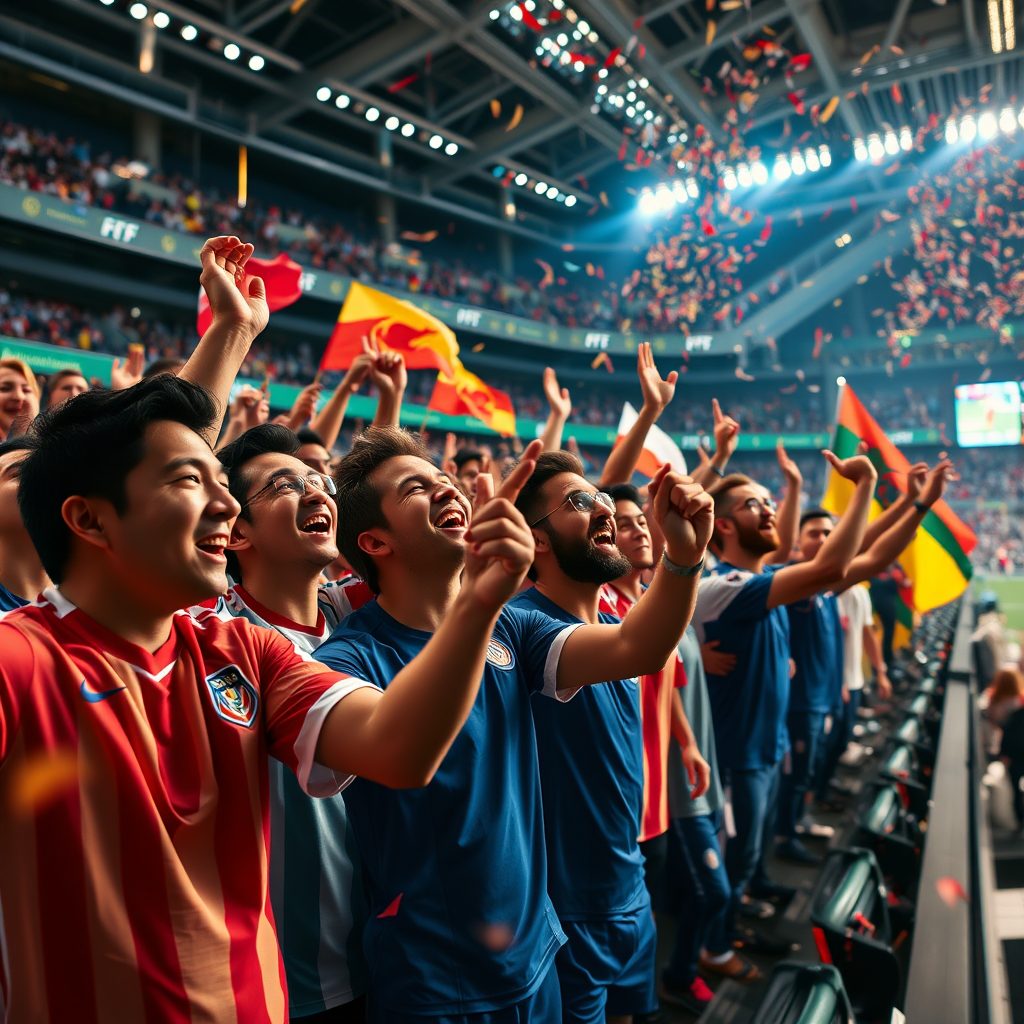
Sau ngày thi đấu cuối cùng của vòng 26, bàn thắng muộn ở phút bù giờ đã kéo khoảng cách giữa đội bóng của Quỷ đỏ xuống vị trí thứ năm chỉ còn hai điểm so với khu vực dự Champions League. Khung giờ 21 giờ 30 phút chiều chủ nhật vừa qua, khi trọng tài thổi còi kết thúc trận cầu căng thẳng nhất trong khuôn khổ Premier League, nhiều khán đài đã vỡ òa không chỉ vì ba điểm quý giá mà còn bởi ý nghĩa chiến lược mà nó mang lại. Bảng xếp hạng Ngoại hạng Anh mới nhất được cập nhật ngay sau đó xác nhận một thực tế rõ ràng: cuộc đua giành vé vào top 4 đang trở nên khốc liệt hơn bao giờ hết, và Manchester United hiện đang nằm trong tầm ngắm của các đối thủ cạnh tranh trực tiếp. Trong bối cảnh lịch trình dày đặc và những biến động nhân sự gần đây, việc duy trì đà tiến lên phía trên không chỉ là vấn đề kỹ thuật thuần túy mà còn đòi hỏi sự chuẩn bị tâm lý và chiến thuật đồng bộ.
Tình hình hiện tại: Khoảng cách với vị trí thứ 4 đang thu hẹp nhanh chóng
Theo số liệu chính thức từ ban tổ chức giải đấu công bố vào sáng thứ hai tuần này, vị trí thứ năm hiện nay thuộc về Manchester United với 52 điểm sau 26 trận. Đội đứng thứ tư có 54 điểm, chênh lệch chưa đầy 7% tổng số điểm tối đa. Sự dịch chuyển này không phải kết quả của một mùa giải may mắn, mà là hệ quả của chuỗi trận giữ sạch lưới và khả năng tận dụng cơ hội ghi bàn trong những pha phản công chớp nhoáng. Các đối thủ trực tiếp như Tottenham Hotspur, Newcastle United và Aston Villa cũng đang rơi vào thế giằng co tương tự, tạo nên một tam giác cạnh tranh sát nút ở nửa trên bảng xếp hạng.
| Vị trí | Đội bóng | Số trận | Điểm | Hiệu số bàn thắng bại |
|---|---|---|---|---|
| 4 | Đội bóng dẫn đầu top 4 | 26 | 54 | +22 |
| 5 | Manchester United | 26 | 52 | +18 |
| 6 | Tottenham Hotspur | 25 | 50 | +15 |
| 7 | Newcastle United | 26 | 49 | +12 |
| 8 | Aston Villa | 26 | 48 | +10 |
Bảng số liệu trên minh họa rõ nét mức độ cạnh tranh nội bộ. Mỗi trận đấu trong giai đoạn nước rút này đều mang tính chất loại trừ, nơi sai lầm nhỏ nhất về mặt phòng ngự hoặc xử lý tình huống cũng có thể làm thay đổi hoàn toàn cấu trúc nhóm顶 bốn. Những con số hiệu số bàn thắng bại phản ánh xu hướng phòng thủ chặt chẽ hơn từ tất cả các đội bóng tham gia cuộc đua, đồng thời cho thấy khả năng tấn công đang dần chuyển sang lối chơi kiểm soát nhịp độ thay vì đối kháng trực diện.
 Hình minh hoạ: b52club
Bối cảnh giải đấu và những thay đổi gần đây
Giải VĐQG Anh trong mùa giải này chứng kiến sự điều chỉnh đáng kể về cường độ thi đấu do lịch trình quốc tế chồng chéo và điều kiện thời tiết khắc nghiệt ở giai đoạn đông xuân. Nhiều câu lạc bộ buộc phải xoay tua lực lượng, dẫn đến sự sụt giảm tạm thời về sức bền thể lực vào cuối mỗi tháng. Đối với Manchester United, bối cảnh này càng trở nên phức tạp khi đội hình chính vẫn trong quá trình tìm kiếm sự ổn định về vị trí tiền vệ trung tâm và hàng thủ biên. Tuy nhiên, chính những thử thách này lại tạo ra môi trường thuận lợi cho việc phát triển các mô hình thi đấu linh hoạt, nơi sự phối hợp nhóm và khả năng thích nghi nhanh đóng vai trò quyết định hơn bất kỳ cá nhân đơn lẻ nào.
Ngoài yếu tố thể lực, quy tắc VAR và việc siết chặt tiêu chí phạt thẻ vàng cũng góp phần thay đổi cục diện bảng xếp hạng Ngoại hạng Anh mới nhất. Các trận cầu trở nên thiên về chiến thuật hơn là đối đầu cảm tính, giúp những đội có nền tảng kỷ luật cao như Manchester United từng bước xây dựng lợi thế tích lũy điểm số. Đây không phải là hiện tượng ngẫu nhiên, mà là kết quả của quá trình phân tích dữ liệu ngược từ các mùa trước, nhằm tối ưu hóa tỷ lệ giữ sạch lưới và hạn chế mất điểm do sai sót kỹ thuật.
Diễn biến chi tiết trên sân cỏ và tác động đến bảng xếp hạng
Xuất phát từ nhu cầu bảo toàn thành quả, huấn luyện viên đã điều chỉnh sơ đồ trận đấu sang dạng 4-2-3-1 linh hoạt, nhấn mạnh việc cắt đứt đường chuyền ngang của đối phương và tận dụng không gian rộng ở hai cánh. Những pha phản công nhanh sau khi đoạt bóng từ tuyến giữa đã tạo ra áp lực liên tục lên hàng thủ đối phương, buộc họ phải lùi sâu và nhường quyền kiểm soát bóng. Kết quả là tỷ lệ sở hữu bóng của Manchester United trong nửa sau mùa giải tăng trưởng ổn định, đi kèm với sự gia tăng của các cú sút trúng đích từ ngoài vòng cấm.
Trên bình diện tổng thể, các trận derby khu vực và gặp gỡ trực tiếp giữa những đội tranh chấp top 4 đã trở thành bước ngoặt định hình vị trí bảng xếp hạng. Khi hai đội cùng thi đấu trong cùng một khung giờ, kết quả thường có tính chất lan tỏa, khiến khoảng cách điểm số giữa các vị trí từ 4 đến 7 chỉ dao động trong ngưỡng một hoặc hai điểm. Điều này buộc tất cả các bên phải tính toán kỹ lưỡng từng phút thi đấu, tránh những rủi ro không cần thiết và tập trung vào việc hoàn thiện khâu tổ chức phòng thủ.
Các yếu tố chiến thuật ảnh hưởng trực tiếp đến phong độ
Khả năng chuyển đổi trạng thái từ phòng ngự sang tấn công là yếu tố then chốt. Thay vì dựa vào tốc độ cá nhân, đội bóng hiện nay chú trọng vào việc di chuyển không bóng thông minh, tạo ra các tam giác phối hợp ngắn gọn ở khu vực trung lộ. Người hâm mộ theo dõi sát sao các trận đấu sẽ nhận thấy sự khác biệt rõ rệt trong cách kiểm soát nhịp độ, đặc biệt là những phút cuối hiệp hai khi thể lực suy giảm. Việc duy trì hình khối đội hình gọn gàng giúp giảm thiểu khoảng trống giữa các tuyến, từ đó hạn chế đối phương khai thác phản công nguy hiểm.
Yếu tố tâm lý thi đấu cũng được đưa vào quá trình chuẩn bị bài bản. Các buổi tập tình huống giả lập áp lực cao, kết hợp với phân tích video chi tiết từng lỗi sai, giúp cầu thủ quen với cường độ decision-making trong điều kiện thiếu ngủ hoặc lịch trình dày đặc. Đây là minh chứng cho thấy việc leo lên top 4 không chỉ phụ thuộc vào chất lượng cầu thủ, mà còn vào hệ thống vận hành và khả năng phục hồi sau những thất bại nhỏ trong hành trình dài.

Phản ứng từ giới chuyên môn và người hâm mộ
Trong vòng vài ngày qua, báo chí thể thao trong nước và quốc tế đều đưa tin về sự trỗi dậy mạnh mẽ của Manchester United trong cuộc đua顶 bốn. Các cựu danh thủ và chuyên gia phân tích nhận định rằng phong độ hiện tại là sự kết hợp hài hòa giữa kinh nghiệm quản lý đội bóng và sự trẻ hóa của hàng tiền vệ. Một số trang truyền thông lớn thậm chí đặt câu hỏi về khả năng vượt qua các đối thủ trực tiếp nếu duy trì được nhịp độ thi đấu ổn định trong ít nhất mười trận còn lại. Người hâm mộ cũng bày tỏ sự lạc quan, nhưng đồng thời nhấn mạnh nhu cầu theo dõi sát sao lịch thi đấu và tình hình chấn thương để đưa ra những nhận định chính xác hơn.
Mạng xã hội và các cộng đồng fanpage thể thao cũng chứng kiến sự bùng nổ của các thảo luận chiến thuật. Thay vì chỉ tập trung vào những pha ghi bàn hay lỗi sút phạt, người xem bắt đầu quan tâm đến các chỉ số phụ như tỷ lệ pressing thành công, số lần rê bóng vượt tuyến và khả năng hỗ trợ hậu vệ biên. Xu hướng này phản ánh sự tiến bộ trong cách tiếp cận nội dung thể thao, nơi dữ liệu thực tế được sử dụng để bổ sung cho cảm tính cá nhân. Những nền tảng cung cấp thông tin cập nhật như b52club cũng ghi nhận lượng truy cập tăng vọt từ người dùng tìm kiếm phân tích chuyên sâu, cho thấy nhu cầu hiểu rõ bối cảnh chiến thuật đang trở thành ưu tiên hàng đầu.
Bên cạnh đó, một số ý kiến thận trọng cũng được đưa ra nhằm cân bằng góc nhìn. Lịch sử giải VĐQG Anh từng ghi nhận nhiều trường hợp đội bóng dẫn trước về điểm số nhưng tụt hậu do không chuẩn bị tốt cho giai đoạn nước rút. Vì vậy, giới chuyên môn khuyến nghị không nên đưa ra kết luận sớm khi vẫn còn nhiều 변수 như lịch trình Cúp Quốc gia, Euro/World Cup qualifiers và tình hình chuyển nhượng hè sắp tới. Người đọc cần tiếp cận thông tin một cách đa chiều, kết hợp giữa dữ liệu bảng xếp hạng và bối cảnh thực tế của từng câu lạc bộ.
Kịch bản tiếp theo và lộ trình thực tế cho Quỷ đỏ
Giai đoạn nước rút của mùa giải thường diễn ra theo chu kỳ áp lực tăng dần. Sau mỗi trận đấu, khoảng thời gian nghỉ ngắn chỉ từ 3 đến 5 ngày buộc các đội phải phân chia hợp lý giữa phục hồi thể lực và ôn luyện chiến thuật. Đối với Manchester United, lịch thi đấu còn lại gồm các cặp đấu trực tiếp với những đội đang tranh chấp top 4, kèm theo một số trận gặp đối thủ trung lưu. Thành công trong giai đoạn này phụ thuộc vào khả năng tối ưu hóa điểm số từ các trận dễ hơn, đồng thời duy trì sự kiên nhẫn trong những trận cầu khó nhằn.
Về mặt chiến lược, việc bảo toàn phong độ của các trụ cột là ưu tiên số một. Huấn luyện viên cần cân nhắc việc nghỉ ngơi có chủ đích cho những cầu thủ đã thi đấu liên tục, thay vì ép họ ra sân ở mọi trận đấu. Dữ liệu y học thể thao hiện đại cho thấy việc nghỉ ngơi đúng thời điểm giúp giảm 30% đến 40% nguy cơ chấn thương cơ bắp, từ đó đảm bảo sự sẵn sàng về thể lực cho những trận sống còn. Bên cạnh đó, việc chuẩn bị phương án dự phòng cho các vị trí then chốt sẽ giúp đội bóng linh hoạt thích ứng với những tình huống bất ngờ xảy ra trên sân.
Cơ hội lọt vào top 4 không phải là điều hiển nhiên, nhưng hoàn toàn khả thi nếu đội bóng giữ vững kỷ luật thi đấu và tận dụng tối đa lợi thế sân nhà. Những trận đấu trên sân cũ luôn mang lại động lực tinh thần lớn, đồng thời tạo áp lực tâm lý lên đối phương khi họ phải thi đấu trong môi trường hostile. Việc kiểm soát nhịp độ, giảm thiểu rủi ro từ các tình huống cố định và duy trì sự tập trung cao độ trong suốt 90 phút sẽ là chìa khóa để chuyển hóa áp lực thành kết quả cụ thể.
Checklist hành động để theo dõi sát sao diễn biến bảng xếp hạng
- Kiểm tra lịch thi đấu còn lại của Manchester United và các đối thủ trực tiếp争夺 top 4, ghi chú cụ thể ngày giờ và địa điểm thi đấu.
- Theo dõi thông tin chính thức từ CLB về tình hình chấn thương, thẻ phạt và lực lượng sẵn sàng ra sân trước 24 giờ mỗi trận.
- So sánh hiệu suất phòng ngự và tấn công qua các chỉ số phụ như tỷ lệ giữ sạch lưới, số lần sút trúng đích và khả năng pressing.
- Áp dụng nguyên tắc quản lý thông tin: chỉ tin tưởng nguồn phát từ trang chủ CLB, cơ quan quản lý giải đấu và các hãng truyền thông thể thao uy tín.
- Lập kế hoạch theo dõi kết quả xen kẽ: sau mỗi vòng đấu, cập nhật lại khoảng cách điểm số và điều chỉnh nhận định dựa trên dữ liệu thực tế.
- Nâng cao nhận thức về rủi ro: không đặt niềm tin tuyệt đối vào bất kỳ kịch bản nào, sẵn sàng thích ứng với những biến động bất ngờ trong giai đoạn nước rút.
- Tận dụng các nền tảng thông tin đa dạng như đá gà b52club hoặc các kênh phân tích thể thao để mở rộng góc nhìn, nhưng luôn đối chiếu với nguồn dữ liệu chính thức trước khi đưa ra kết luận.
Việc bám sát diễn biến bảng xếp hạng Ngoại hạng Anh mới nhất đòi hỏi sự kiên nhẫn và khả năng phân tích khách quan. Khoảng cách hai điểm với top 4 không phải là rào cản không thể vượt qua, nhưng cũng không thể chủ quan. Chỉ khi nào đội bóng duy trì được sự ổn định về mặt chiến thuật, quản lý tốt thể lực và tận dụng tối đa lợi thế sân nhà, thì mục tiêu dự Champions League mới thực sự khả thi. Người hâm mộ và các nhà phân tích nên tiếp tục theo dõi sát sao từng vòng đấu, kết hợp dữ liệu thực tế với bối cảnh chiến thuật, để đưa ra những đánh giá chính xác nhất trong giai đoạn quyết định của mùa giải.
 Hình minh hoạ: 789club



 Hình minh hoạ: sunwin


 Hình minh hoạ:



 Hình minh hoạ: https://e39f.com


 Hình minh hoạ: b52club

 Hình minh hoạ: https://e39-bmw.com/



 Hình minh hoạ: https://v79vn.pro/



 Hình minh hoạ:



 Hình minh hoạ: